قسم اللغة الإنجليزية
لقب أول (B.Ed.) في تدريس اللغة الإنجليزية كلغة أجنبية (أحادي التخصص)
"لغة، أدب، لغويات، بيداغوجيا مبتكرة وملاءمة لمعيار CEFR"
عن البرنامج
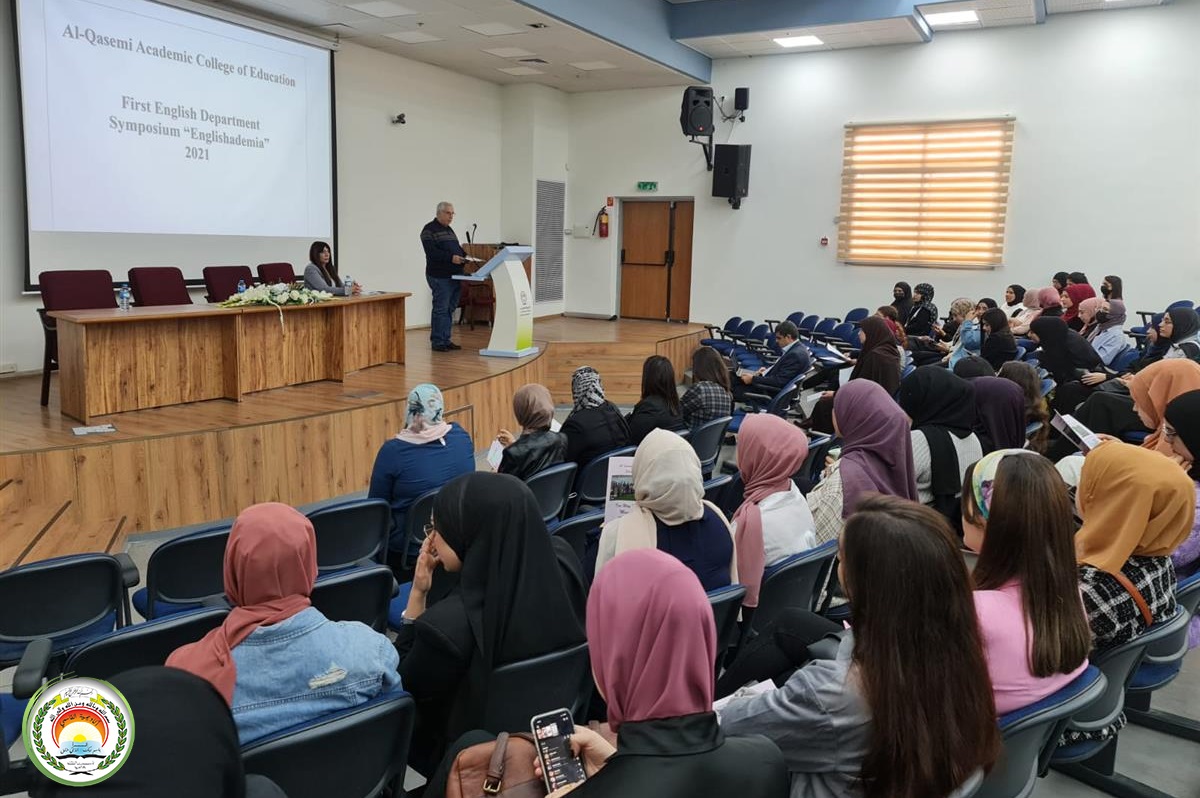
يؤهل قسم اللغة الإنجليزية في المسار متعدد الأجيال في أكاديمية القاسمي جيل المستقبل من معلمي ومعلمات اللغة الإنجليزية في جهاز التربية والتعليم (من الصف الثالث حتى العاشر). صُمم برنامجنا لتطوير كوادر تربوية تمتلك كفاءة لغوية عالية، وفهماً عميقاً لسيرورات اكتساب لغة ثانية، ومعرفة واسعة في اللغويات التطبيقية والأدب. يقدم البرنامج استجابة دقيقة وفريدة للتحديات اللغوية والبيداغوجية المرتبطة بتدريس اللغة الإنجليزية كلغة أجنبية (EFL) للطلاب في المجتمع العربي في إسرائيل.
رؤية البرنامج
ترى رؤيتنا في معلم اللغة الإنجليزية شخصية تربوية مركزية؛ فهو ليس مجرد مُلقّن للمفردات والقواعد، بل موجّه ينمّي لدى الطلاب القدرة على التواصل، التفكير، التعرف على ثقافات متنوعة، واستخدام اللغة الإنجليزية كأداة أساسية للحراك الاجتماعي في العالم العالمي. تستند رؤيتنا البيداغوجية إلى مبادئ الإطار الأوروبي المرجعي المشترك للغات (CEFR)، التي تعتبر تعلم اللغة سيرورة تدريجية، تفاعلية وتواصلية، تربط بين الأكاديمية وواقع الحياة.
أهداف البرنامج
يضع البرنامج نصب عينيه مجموعة من الأهداف الأكاديمية والبيداغوجية المحددة:
- الكفاءة اللغوية والمهنية: تطوير قدرات عالية في اللغة الإنجليزية في كافة الأنماط – التحدث بطلاقة، الاستيعاب السمعي، التعبير الكتابي وفهم المقروء.
- المعرفة اللغوية والأدبية: إكساب معرفة عميقة في اللغويات التطبيقية والتعرف الواسع على الأدب الإنجليزي، الأمريكي والعالمي.
- تطبيق معيار CEFR: تأهيل الطلاب لتخطيط التدريس، التعلم والتقييم بملاءمة تامة مع إطار CEFR، مع استخدام أهداف القدرة الوظيفية (Can-Do) الملائمة لمستويات المتعلمين.
- الابتكار البيداغوجي: تطوير مهارات لدمج التكنولوجيات المتقدمة وملاءمة المواد التعليمية للمتعلمين المتنوعين (التدريس التمايزي).
- الهوية المهنية والحساسية الثقافية: صقل شخصيات معلمين ومعلمات يتميزون بحساسية اجتماعية-ثقافية، مرونة بيداغوجية، وقدرة على الإدارة الصفية الناجعة في بيئة متعددة اللغات.
الخطة الدراسية للبرنامج
الأسئلة المتكررة
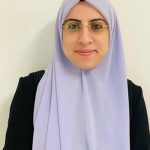
د. إيمان علوش
رئيسة قسم اللغة الانجليزية وآدابها
د. إيمان علوش
رئيسة قسم اللغة الانجليزية وآدابها
غرفة 108
[email protected]
04-6286798
التعليم العالي:
Dr. Garra-Alloush has a PhD in English from Haifa University. She worked as the head of the English Department at al-Qasemi College between the years 2014-2018. Now she is the Dean of Students. She gives courses in English Literature and Linguistics, as well as Oral proficiency courses. She is also a Pedagogical advisor for third year students. In addition, she is an M.Ed. advisor for M.Ed. students at al-Qasemi College. Her research interests include EFL Higher Education, Sociolinguistics, and also Comparative Literature

د. عبير كتانة أبو مخ
د. عبير كتانة أبو مخ

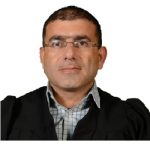
د. أحمد عامر
د. أحمد عامر
ملخص السيرة الذاتية
محاضر للغة الإنجليزية في أكاديمية القاسمي. مختص في دمج التكنولوجيا في التعليم. مرّر أكثر من 100 استكمال واشترك في ثلاثة مؤتمرات دولية.
التعليم العالي:
Dr. Amer’s specialization is instructional technology - how to integrate technology into language teaching. Dr. Amer has had several fellowships including three in the US. Dr. Amer was a guest lecturer for a month in Vietnam Hanoi university. This year he has been chosen to deliver an in-service training course for more than 500 teachers on distance learning pedagogy

د. أسنات عثامنة
د. أسنات عثامنة
ملخص السيرة الذاتية
مختصة في الادب الانجليزي، حاصلة على اللقب الأول، الثاني والثالث من الجامعة العبرية في القدس. د. عثامنة محاضرة في أكاديمية القاسمي في قسمي اللغة الإنجليزية والتحضيرية.
التعليم العالي:
Ms. Atamna teaches English language and literature at Al-Qasemi Academic College. Her main field of research and study is 19th century Literature, also known as the Victorian era. Atamna received her B.A. and M.A. from The Hebrew University of Jerusalem and has submitted her dissertation entitled “Testing the Ideal: The Representation of Father Figures in Charles Dickens’s Novels” at The Hebrew University of Jerusalem
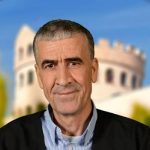
د. علي جبارين
د. علي جبارين
التعليم العالي:
Dr. Jabareen received his Doctoral Degree (Ed. D.) in “Administration, Training and Policy Studies”in 2007 from Boston University: Boston MA, USA. He also obtained a Master of Arts (MA) in English Literature in 1985, Connecticut College: New London CT, USA, and a Bachelor of Arts (BA) in English Literature and Arabic Literature 1983 from Tel Aviv University, Israel

أ.د. محمد أمارة
رئيس الأكاديمية
أ.د. محمد أمارة
رئيس الأكاديمية
غرفة 480
د. فارس قبلاوي
د. فارس قبلاوي
التعليم العالي:
Ms. Atamna teaches English language and literature at Al-Qasemi Academic College. Her main field of research and study is 19th century Literature, also known as the Victorian era. Atamna received her B.A. and M.A. from The Hebrew University of Jerusalem and has submitted her dissertation entitled “Testing the Ideal: The Representation of Father Figures in Charles Dickens’s Novels” at The Hebrew University of Jerusalem

د. دعاء أبو الهيجا
د. دعاء أبو الهيجا

د. وسام خلايلة
د. وسام خلايلة
التعليم العالي:
Dr. Wisam Chaleila is a Senior Lecturer, Head of English Department and EAP Unit at Al- Qasemi College of Education in Israel. She earned her bachelor’s and master’s degrees in English and German language and literature from the Hebrew University of Jerusalem. In 2014, she received a Ph.D. Erasmus Fellowship in 2011 and obtained a double degree in English and American literature from KU Leuven in Belgium and University of Haifa. She was also enrolled in a postdoctoral program in KU Leuven. Chaleila specializes in literature and her teaching fields include Anglo-American literature and poetry, multi-ethnic literature, English teaching, and academic writing. Her research spans academic writing, critical theory, literary theory, early and modern literatures, poetic and social justice, American history, ethnic identity, Darwinism, and Marxism. In 2021 Chaleila authored the book Racism and Xenophobia in Early Twentieth-Century American Fiction: When a House is Not a Home - Routledge